
This guide explains how to read labels. It is not veterinary advice.
Grain-free and skin allergies: what a dog food label can and can't tell you
Grain-free is not a guarantee for dogs with allergies, because reported food reactions are more often linked to animal proteins than to grains. The label shows which proteins a food uses. Ask your veterinarian about skin problems.
The Nutritional Science (In Plain English)
One of the most persistent myths in modern pet nutrition is that wholesome grains (like brown rice, oats, and barley) are the leading cause of dog allergies. Reported food allergies in dogs are more often linked to animal proteins than to grains.
Why did so many dogs seem to improve when switching to grain-free food? Because when grain-free foods first surged in popularity, manufacturers also upgraded the meat sources—moving away from generic chicken byproduct meals toward novel meats like salmon, duck, and venison. A change in protein source, and not only the removal of grain, may explain why some dogs seemed to do better.
If your dog has itchy skin, look at the protein source first. Wholesome, non-GMO grains like oats and brown rice provide valuable B-vitamins and gut-soothing soluble fiber, whereas ultra-concentrated legume substitutes (like pea protein concentrate) can sometimes cause digestive distress in sensitive dogs.
What to Look for on the Bag Label
Audit the ingredient list and Guaranteed Analysis table against these label checks:
Must-Have Specifications
- ✓Single identified animal protein source verified at the top of the deck
- ✓Nourishing dietary fats (Omega-3 fatty acids verified in the GA matrix)
- ✓If grain-inclusive, wholesome ancient grains like Oats, Sorghum, or Quinoa
Watch Out / Avoid
- ✕"Ingredient splitting" (e.g., pea flour, pea fiber, pea starch listed separately to hide high total pea content)
- ✕Heavy dependence on white potato or tapioca as empty calorie starches
- ✕Blaming grains when the product still uses low-quality chicken fat or meat meal
Example formulas that fit this guide
Picked from label data by the rule shown on each card; examples, not recommendations for your dog.
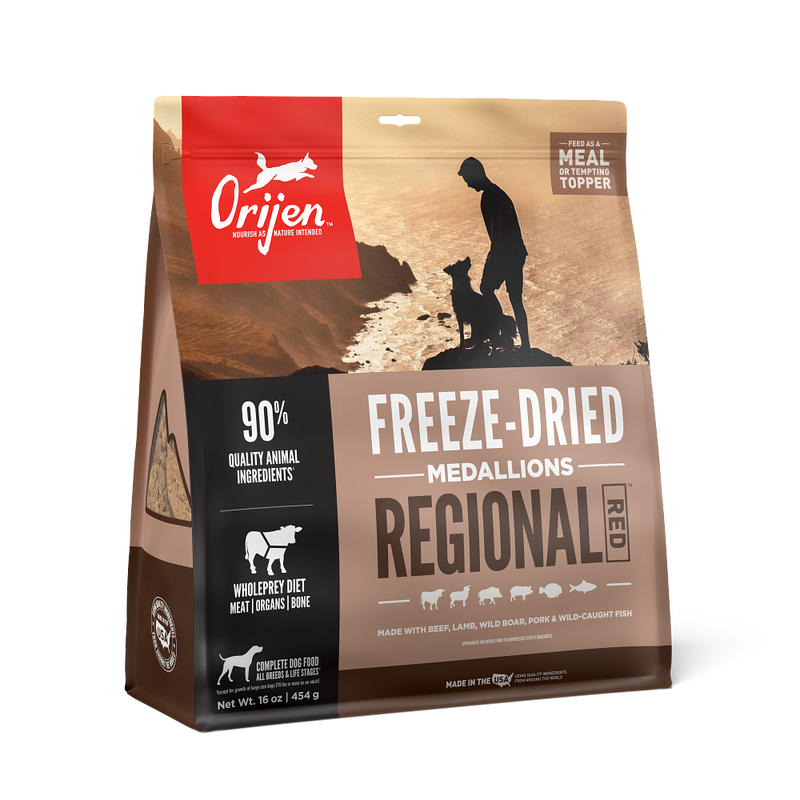
ORIJEN Regional Red, Food Medallions
Grain-free, chicken-free (beef, lamb)
Price pending
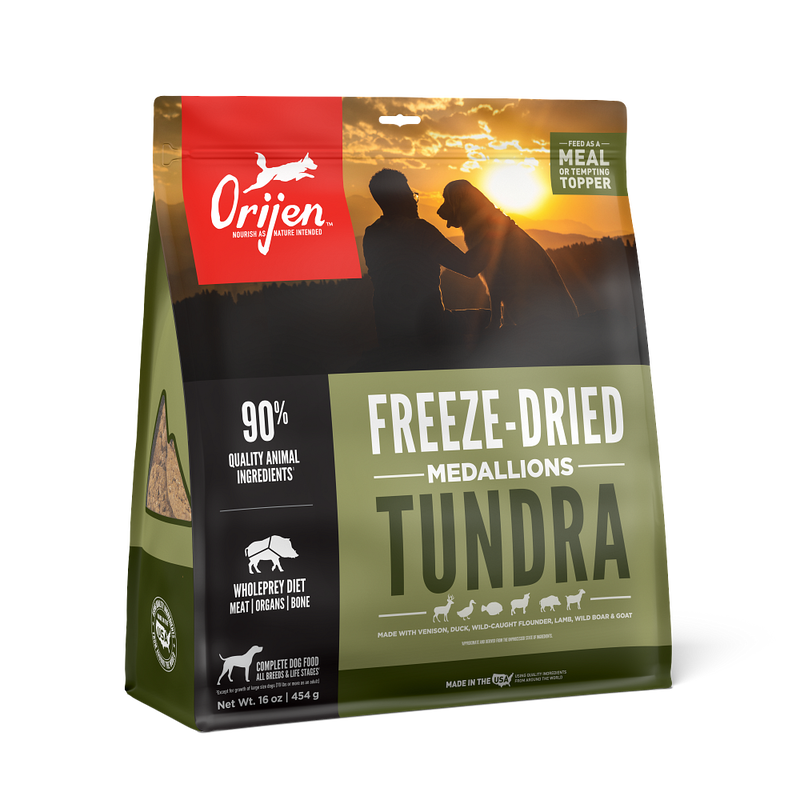
ORIJEN Tundra, Freeze-Dried Food Medallions
Grain-free, chicken-free (duck, lamb)
Price pending
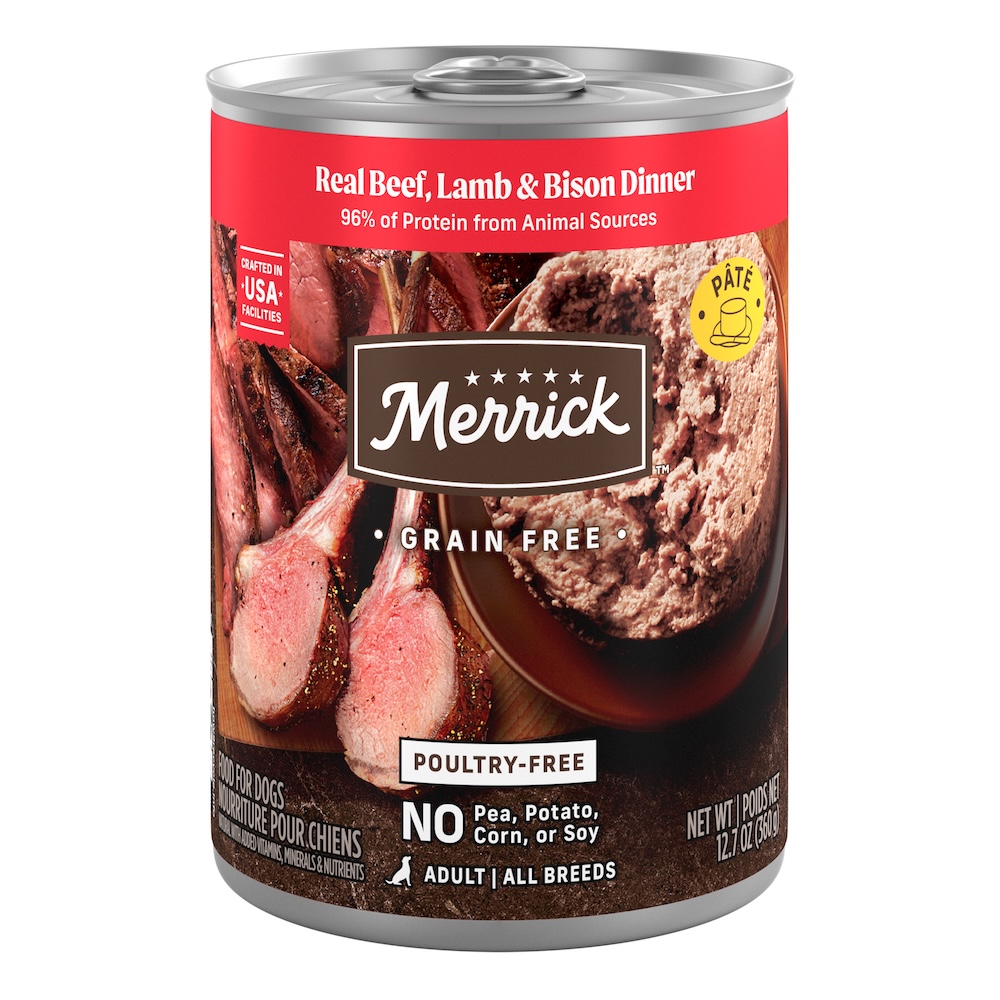
Merrick Grain Free Real Beef, Lamb + Bison Dinner
Grain-free, chicken-free (beef, lamb)
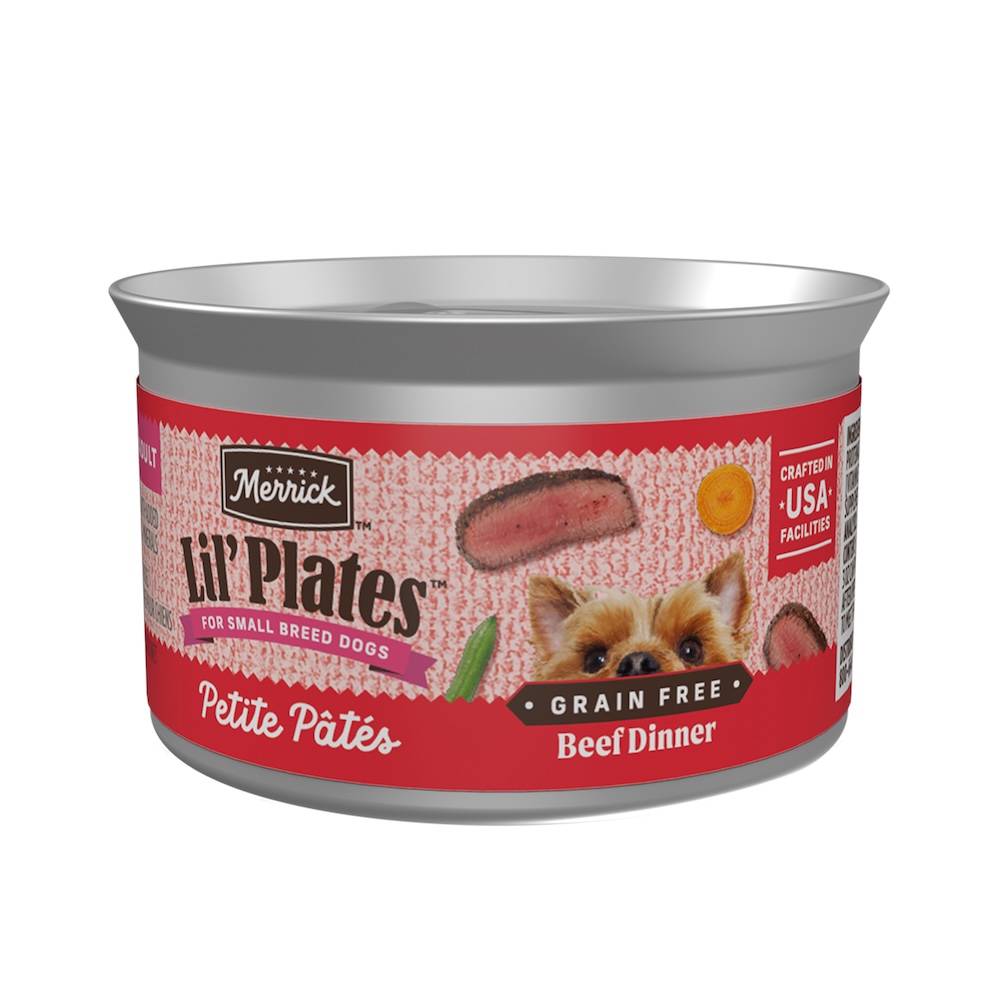
Merrick Lil’ Plates Petite Pate Beef Dinner
Grain-free, chicken-free (beef)
Price pending

Full Moon FRESHLY CRAFTED Beef Recipe
Grain-free, chicken-free (turkey, beef)
Price pending
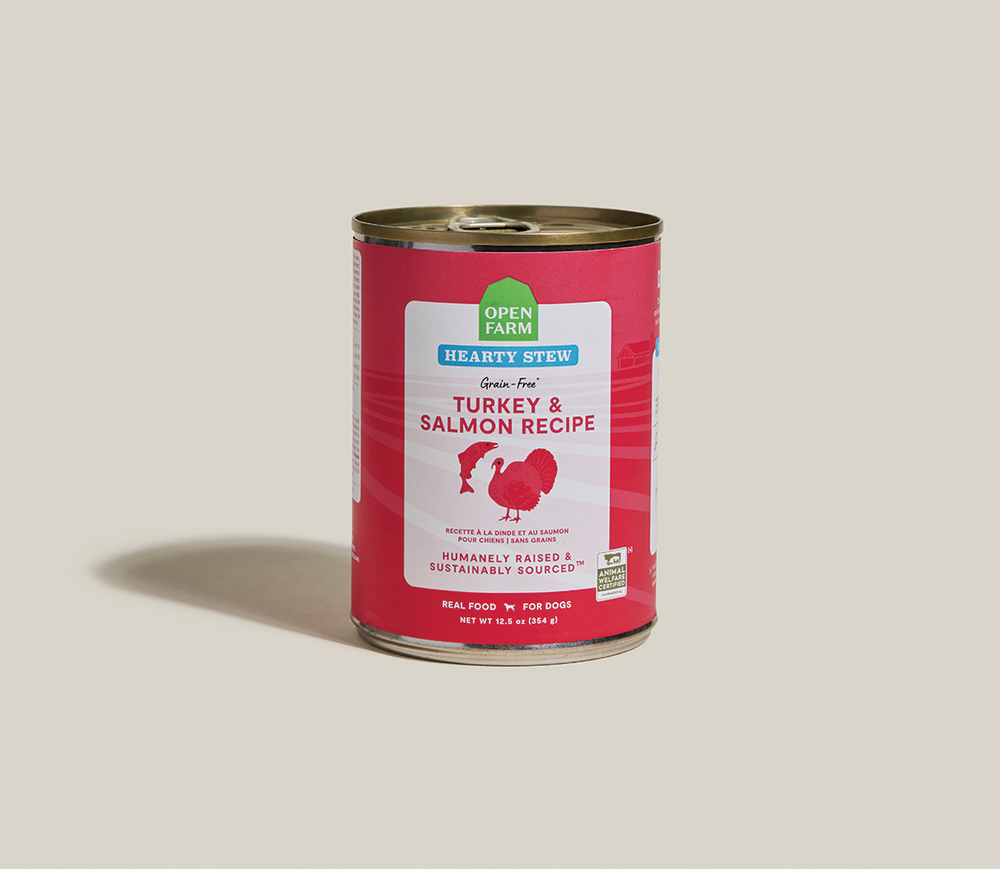
Open Farm Turkey & Salmon Hearty Stew
Grain-free, chicken-free (turkey, salmon)
Related Guides in this Category
Why is my dog chewing their paws and scratching their ears?
Paw chewing and ear scratching have many possible causes, including food and environmental allergies. Your veterinarian can help find the cause. On a label, you can check which proteins and fats a food names.
What is a Limited Ingredient Diet (L.I.D.), and when does a dog need one?
A Limited Ingredient Diet is built around one named animal protein and a short ingredient list, which makes it easier to see what is in the food. Ask your veterinarian before changing the diet of a dog with allergies.
How much Omega-3 and fish oil does my dog need for a shiny, non-flaky coat?
EPA and DHA are marine omega-3 fatty acids. A label that guarantees them lets you compare foods. Ask your veterinarian about skin and coat concerns.
Disclaimer: This nutritional analysis is intended solely for educational and research purposes. If your dog is exhibiting acute medical symptoms, sudden weight loss, or severe distress, please consult a licensed veterinarian.